The short answer
A slow Sunday is not a productive Sunday done gently. It is a day you leave deliberately slack — unmeasured, unoptimised, owed to no one. Not an itinerary to finish, but a stretch of hours you refuse to fill. The whole art is to do a few small things at their own pace, and to be unbothered enough to let the rest go.
In a city that wears busyness as a badge, that ease is the rarer, more enviable thing.
Why Singapore, of all places
The tiredness is not imagined. Singapore is ranked, year after year, the second most overworked city in the world — behind only Tokyo — its residents giving an average of around 51 hours a week to work and the commute to it.[1] In one 2024 study, 61% of employees here reported running on empty, among the highest rates measured anywhere.[2] A separate survey put it plainly: nearly half of us — 47% — end an ordinary day mentally or physically spent.[3]
But read the room, and the thing wearing people down is not the work itself. It is the optimising — the measuring, the striving, the quiet arithmetic that every hour should return something. A slow Sunday is the one day you opt out of the arithmetic. It is permission, not a project.
Begin before the heat
The kindest hour Singapore offers is the one before the day warms — and the warm hours are lengthening. 2024 was among the hottest years on record here, and with humidity that sits near 82% for much of the year, the early morning is simply the gentlest window to be outside.[7][8]
So start outdoors, and start early. The Singapore Botanic Gardens open at 5am, cost nothing, and are the first tropical garden ever written into the UNESCO World Heritage list.[6] Walk the quiet paths before the joggers arrive. Sit by Swan Lake and watch nothing in particular. There is no step count to hit and nothing you must see — and that is the point. An hour of being somewhere green while the city is still asleep.
The long, unhurried lunch
Then eat as though the morning belongs to you, because it does. This is the register the west of the island does beautifully. A window table at PS.Cafe on Harding Road, under the rain trees. Brunch that runs long at Open Farm Community, the glasshouse set against the greenery at the edge of Dempsey. Or the slow, storied menu at Corner House, in a colonial villa inside the Gardens themselves.
Wherever you land, the discipline is the same, and it is small: order without hurry, put the phone face-down, and give the meal your whole attention. Not because it is efficient — because it is a pleasure, and pleasure, given time, is its own reason.

Let the afternoon owe you nothing
This is the hard part. An afternoon with no plan feels, at first, like waste. Sit with the discomfort until it thins, because the rest you came for is on the far side of it.
When the heat crests — and it will — the honest answer is something cold and good. Not an errand, not a task disguised as care. A cold drink is simply the object that marks the hour, the small ritual that says the week is genuinely off, the way the first pour on a Friday does. Let it be that, and nothing more.
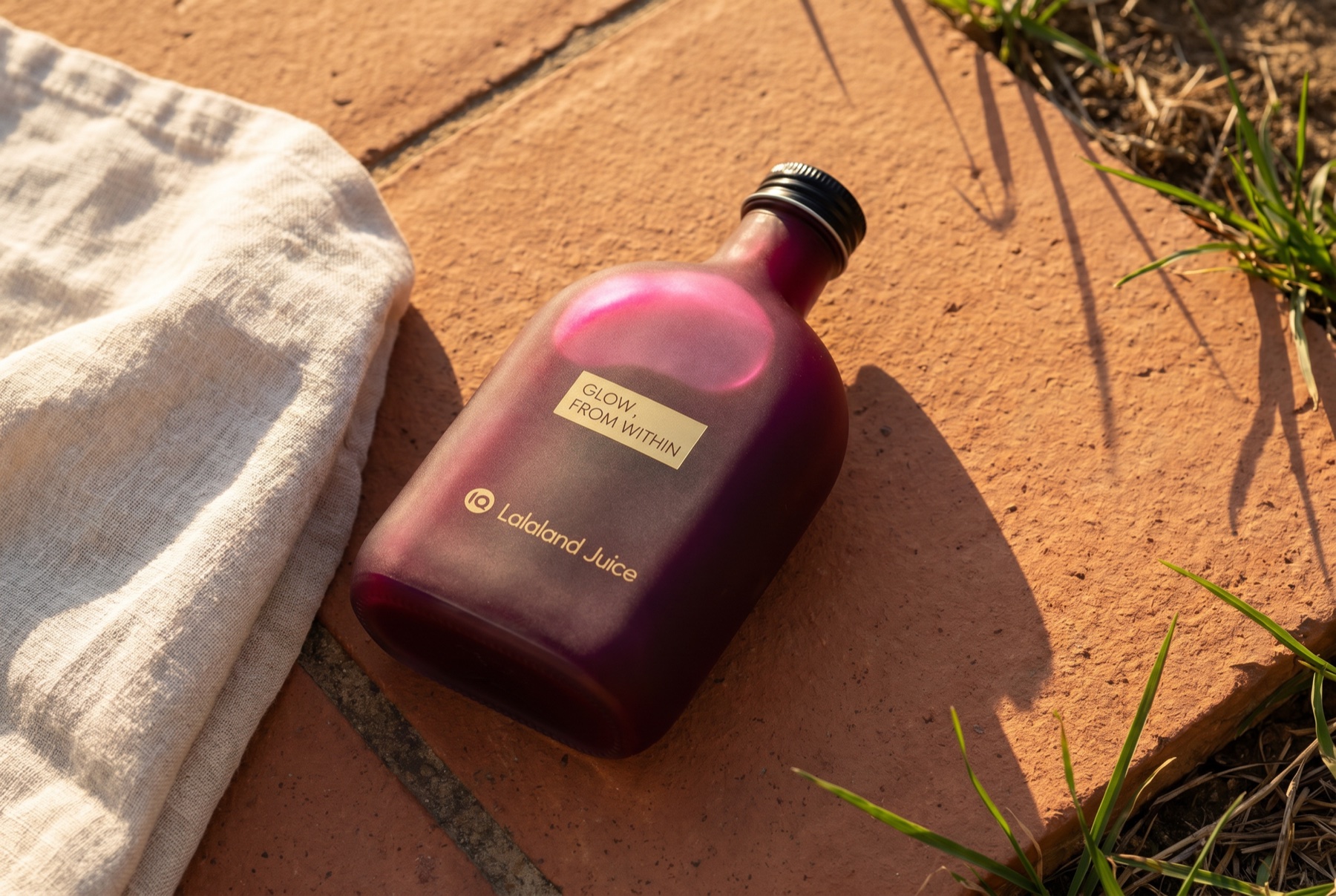
For us, that cold thing is a bottle of Model Glow — beetroot, pineapple and pear, pressed and kept cold on the door of the fridge. Not for what it does to you; for the deep pop of colour and the small, deliberate pour that gives a hot afternoon permission to go slack.
[[product]]
Guard the evening
There is a reason so many good weekends sour around seven. The Sunday dread — the low hum of the week ahead — is nearly universal; surveys of working adults put it somewhere between two-thirds and four-fifths.[4] It is anticipatory: the mind rehearsing Monday while the body is, technically, still free.
You cannot reason it away, but you can keep it small. Hold the evening screen-light. Close Monday's open loops early — tomorrow's clothes, the small admin — so there is less waiting to be dreaded. Make a slow ritual of the last hours: a pot of tea, unhurried, in the way a tea house like Hvala treats the present cup as the only one that matters. Treat the end of Sunday not as the weekend closing, but as a threshold — the quiet just before something new — and Monday arrives on time, instead of early.
Slow living is not idleness
None of this is doing nothing. When the journalist Carl Honoré named the slow movement in his 2004 book In Praise of Slow, he was careful about the point: it is "not about doing everything at a snail's pace," but about doing everything at the right speed.[5] The movement began, fittingly, at the table — with Carlo Petrini's 1986 protest in Rome that grew into Slow Food.[5]
A slow Sunday is that whole idea pressed into a single day: one day a week lived at a human pace, chosen on purpose. Do it often enough and it stops being a treat. It becomes the thing that makes the other six days hold.
The only rule
There is really just one. A slow Sunday has to return to the feeling — unhurried, unbothered, off. The moment it becomes another thing to be good at, it is gone. So don't do it well. Just do it slowly.