Bring something the table can open tonight. That is the entire secret — cold, beautiful, and meant to be finished before you leave.
Everything else follows from that one rule: the etiquette, the wine question, what to do with your hands at the door. But it took me years of doors to learn it, in a city that had been trying to teach me all along.
The empty hand has a name here
Singapore has always known a guest's hand shouldn't arrive empty. Malay has a word for what fills it: buah tangan — literally the fruit of the hand, the small something you carry to a doorstep or home from a journey [4]. And the expectation crosses every culture on the island; the etiquette guides put it plainly: a guest brings the host a small gift [6].
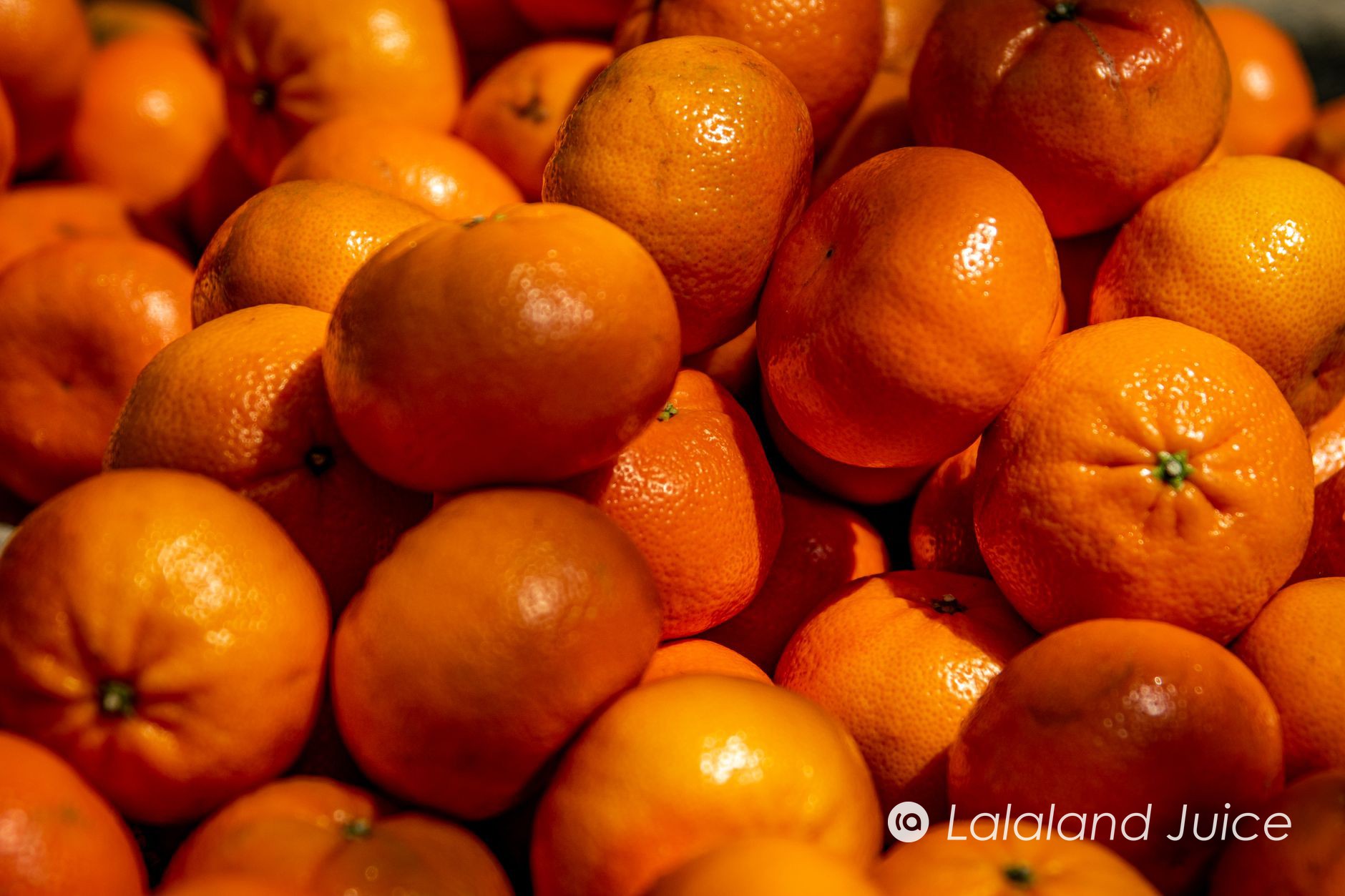
The version I grew up watching is the Chinese New Year one. You hand the host a pair of mandarin oranges, and before you leave, a different pair is pressed back into your hands [5]. For years I found the arithmetic absurd. You walk out holding exactly what you walked in with.
I had it upside down. The oranges are not the gift; the gesture is — generosity moving in both directions across one doorstep. The object is just the sentence it's written in.
The default bottle is losing the room
For most of my adult life the object felt solved anyway: you brought wine. Wine said effort, occasion, adulthood — and it asked for no thought at all.
But look honestly around a Singapore table in 2026. We are among the lightest drinkers on earth — about 2.2 litres of pure alcohol per person a year, where the world averages 5.5 [1][2]. About one in six of us observes a faith in which alcohol has no place at all [3]. And even the drinkers are drifting: across major markets, light drinkers now outnumber the medium and the heavy, and a quarter reach for no-alcohol options [7].
None of that is a loss. It's a table with more kinds of people around it. But it does mean the reflex bottle now lands, regularly, in a home where nobody will open it — and unopened is the one thing a gift should never be.
A confession about efficiency
I should admit what I used to bring, and how.
In my Wall Street years I treated gifts the way I treated everything: as an item to clear. Wine was perfect for that — one shop, one shelf, thirty seconds, full credit. This was the same period in which I chose my Thursday meditation night at a Zen temple on Lexington Avenue partly because newcomers' night was good for meeting people afterwards. If I could optimise my own attempt at peace, you can imagine how little of me made it into a present.
Here's what a thirty-second bottle actually says, whatever the vintage: I didn't stop. You crossed my mind at the exact speed everything else does.
A considered gift says the opposite — that somewhere in a switched-on week, I switched off for ten minutes and thought about you. Your table, your kids' bedtime, the fact that you quietly stopped drinking last year. Attention is the real gift. The object is proof it happened.
The four tests
Attention, made practical, is four questions at the shelf.
Does it open tonight? A gift shared before you leave becomes part of the evening; a gift that goes into a cupboard becomes stock. And the sharing itself does something measurable: psychologists have shown that small rituals — unwrapping, pouring, handing around — make what follows genuinely more enjoyable [8].
Does it arrive cold? In this weather, cold is a love language. The bottle that comes out of your bag still beaded says you thought about the last hundred metres, not just the shop.
Does it make work? The bouquet needs a vase found mid-party; the cake needs plates, a knife, fridge space. Both are lovely, and both put your host to work at the one hour they have none to give. The considered gift arrives finished.
Does it carry a line of you? The difference between a purchase and a present is one sentence — said at the door or written on the thing itself — that could only be from you, to them.
What passes: a short list
Good fruit, bought seriously. In the new-year weeks, mandarins in their pairs; the rest of the year, whatever the fruit stall is proudest of that morning. Fruit is the oldest buah tangan there is.
A proper tea — a tin of hojicha from Hvala, for the host who ends dinners with a quiet pot.
Beans from Apartment Coffee, for the friend who pours slow V60s. You're not gifting coffee; you're gifting their next unhurried morning.
And the one in my own bag: something cold, and pink enough that the table looks up when it lands.
Model Glow passes all four tests at once. It opens tonight. It arrives cold. It makes no work — it just pours. And there's room on the bottle to write your one line, in a pink that starts the conversation before your shoes are off.
How to hand it over
However right the object, the handover is half the gift, and Singapore's rules here are worth keeping.
Give it with both hands [6]. Not because anyone will scold you otherwise, but because two hands force a pause — a half-second in which you actually look at each other. In a week of one-handed everything, the pause is the point.
Then release it. Gifts here are traditionally set aside, not opened in front of the giver [6], so expect nothing. If what you brought is cold and shareable, most hosts will break the rule for you by the second hour. Let them.
I've come to believe rest is the missing half of discipline — and that an evening at someone's table is where this city, which switches on so beautifully, actually practises switching off. What you carry through the door says you came to practise too. A considered bottle on a host's table is a small flag that the evening is off.
The table, later
The best part happens without you.
Somewhere past nine, plates pushed back, someone remembers the pink bottle in the fridge. Glasses appear — small ones, mismatched, whatever's near. It goes around the table, and for one minute the conversation stops being about anything.
That minute is what you brought. Not the bottle: the pause it gave a roomful of switched-on people permission to take.
The oranges had it right all along. The gift was never the object. It's what moves across the table when the object is opened — attention, welcome, an hour nobody is measuring.
Bring the cold thing. Hand it over with both hands. Stay late.
Jay Qin is a long-term guest columnist for The Slow Sunday Journal, and the founder of the 5:15 Club.